

Welcome to ICACC 2027
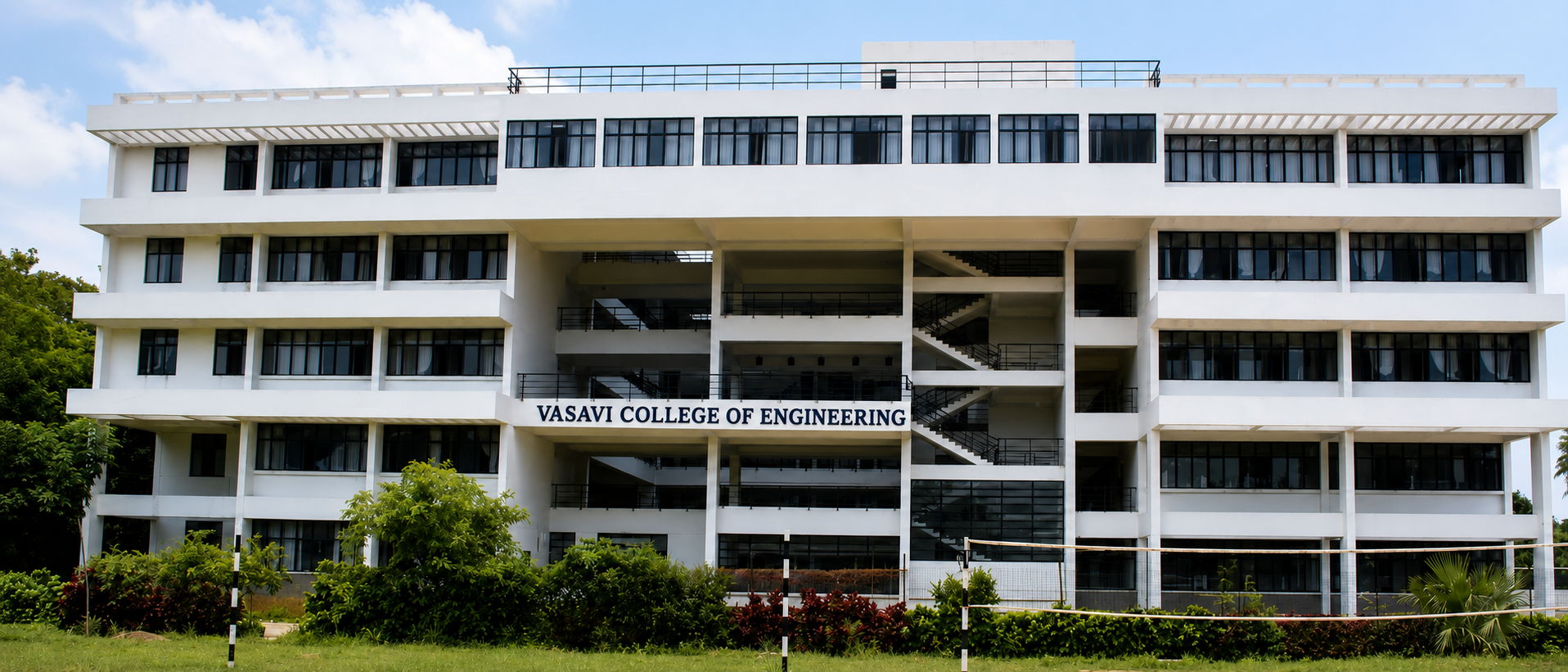
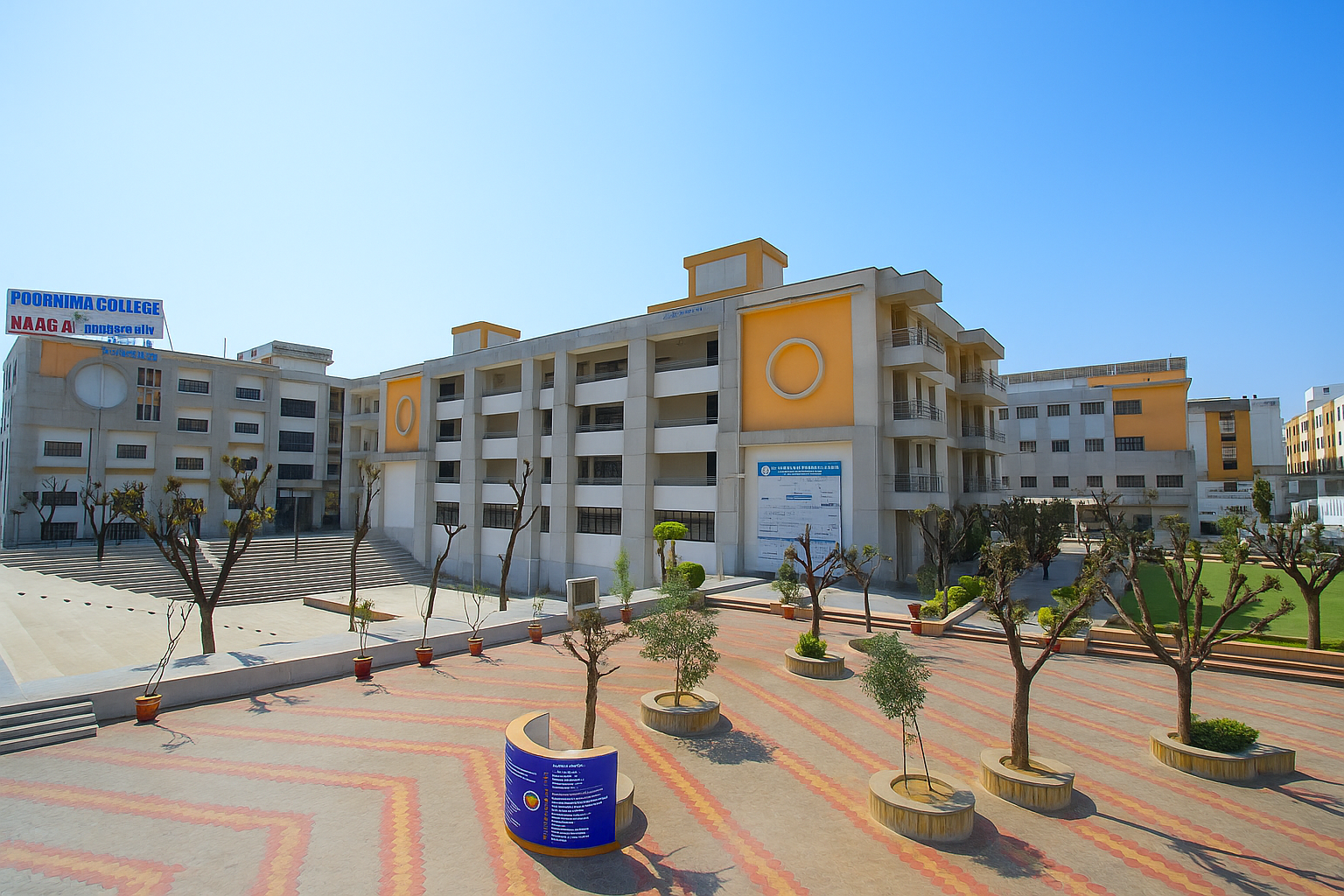
The Department of Civil Engineering at Vasavi College of Engineering and Poornima College of Engineering are jointly organizing the International Conference on Advances in Concrete and Construction Engineering for Sustainability (ICACC 2027) on February 19-20, 2027. Sustainability in civil and concrete engineering plays a pivotal role in addressing modern construction challenges such as reducing carbon emissions, optimizing material usage, conserving energy, and enhancing the durability and resilience of built infrastructure. ICACC 2027 aims to provide a dynamic platform for researchers, academicians, industry professionals, and policymakers to exchange innovative ideas, discuss recent advancements, and explore sustainable practices in concrete materials, design methodologies, and construction technologies. The conference emphasizes the integration of eco-efficient materials, smart construction techniques, and digital innovations to create a sustainable built environment. By fostering collaboration among academia, research organizations, and industry, this conference seeks to promote global knowledge exchange and technological innovation that contribute to sustainable infrastructure development. We look forward to creating an engaging and impactful event that inspires future research and meaningful dialogue among participants worldwide
About the Conference
The fourth International Conference on Advances in Concrete and Construction Engineering for Sustainability (ICACC 2027) organized by the Civil Engineering departments of Vasavi College of Engineering and Poornima College of Engineering, will be held on February 19-20, 2027
This conference aims to create a platform for global collaboration, bringing together leading experts, researchers, and industry professionals to discuss the latest advancements in sustainable construction practices. With a focus on reducing environmental impacts, the event will explore innovative materials, green building technologies, and resource-efficient construction methods.
- Interdisciplinary Exchange
- Cutting-Edge Solutions
- eco-friendly infrastructure
- sustainable future
- Knowledge Sharing
The conference is organized around 3 key interdisciplinary themes, selected for their relevance to Concrete and Construction Engineering:
- Advances and Sustainability in Structural Engineering
- Sustainability in Transportation and Geotechnical Engineering
- Environment and Sustainability
The scope of ICACC 2027 is intentionally broad to encourage integrative approaches and multi-stakeholder participation aimed at fostering advances in concrete and construction engineering for sustainability
About Us
Vasavi College of Engineering was Founded in 1981 by Vasavi Academy of Education, It represents a rich tradition of excellence in technology-based education. A premier-league institution among the affiliates of Osmania University, Vasavi College of Engineering owes its vision to Sri Pendekanti Venkata Subbaiah, a veteran statesman of Independent India.Vasavi College of Engineering, in its 44 years of existence, is a reputed institution in the State of Telangana. The college is ACCREDITED BY NAAC WITH 'A++' GRADE.
The college in its pursuit for quality in technical education has earned 3rd ranking in the State and 32nd in the country .The college offers seven UG (Civil, Mechanical, ECE, CSE, CSE AI & ML, EEE and IT) with total sanctioned intake of 780 and 4 PG programmes [ME (ES & VLSI); ME (ADM); ME(PS & PE); and M.Tech (CSE)] with total sanctioned intake of 48].
Located in the sylvan suburbs of Ibrahim bagh in Hyderabad, Vasavi College of Engineering presents a picturesque view flanked by the glorious Golconda Fort. Situated over a sprawling 12.7 acre campus with lush lawns, a beautiful landscape, aesthetic architecture and avant-garde infrastructure, the College epitomizes an exemplary setting for higher learning.With dedicated efforts of over four decades, the College of Engineering has emerged into a centre of excellence in engineering education. Building purposive partnerships with the industry, bolstering its wherewithal continually and evolving innovative programmes consistent with changing times, Vasavi College of Engineering strives to maintain its pre-eminent position.
The college has been granted autonomy by the University Grants Commission, New Delhi and Osmania University, Hyderabad for all the programs for a period of six years with effect from 2014-15 and has been extended the autonomous status for a period of ten years from 2021-2022 to 2030-2031.
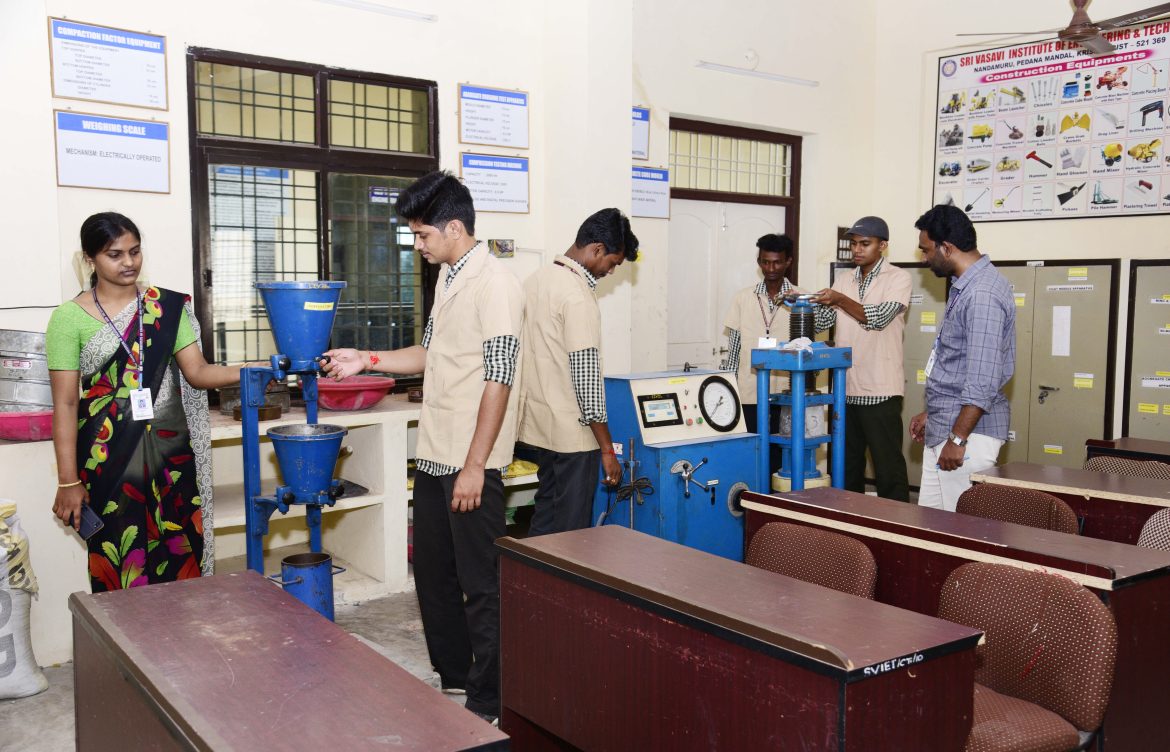
The Civil Engineering Department, established in 1981, offers a B.E. program with 60 annual intake. It was granted Autonomous Status by UGC and Osmania university in 2014–15 and has been NBA accredited thrice (valid till June 2021). The department introduced CBCS in 2016–17 and the AICTE Model Curriculum in 2018–19, maintaining 100% student enrollment and success rate for the past two years.It has 16 qualified faculty (avg. 15 years experience), supported by 13 technical staff (avg. 20 years experience), and is actively involved in consultancy and material testing, generating ₹30 lakhs in five years. The department hosts 10 laboratories, including a Centre for Geomatics and a Project Lab, with advanced software for Design, GIS, Remote Sensing, and Water Management.The curriculum blends core, electives, open electives, skill development courses, and MOOCs/NPTEL, along with 143 co-curricular and 15 extra-curricular activities in five years. Students undergo industry training from 3rd semester, internships from 2nd year, and final-year industry projects, supported by visits, expert lectures, and MoUs.T
The department encourages NSS activities such as Swachh Bharat, voter registration, blood donation, and tree plantation. A Proctorial and counselling system ensures mentoring and support, resulting in improved placements, higher studies, and competitive exam performance.Research is vibrant with two government-funded projects (₹5.16 lakhs), a MODROBS project (₹14 lakhs), three MoUs, and organization of two International and several National Conferences..
Poornima College of Engineering was established in 2000 with the aim of imparting pragmatic technical education. In its magnificent journey of 25 years, PCE has set various benchmarks and reached at new pinnacles in Engineering Education with dedication, perseverance and devotion. PCE is celebrated its “Silver Jubilee Year” (2024-25) by implementing the academic autonomy conferred by UGC. With student strength of 2500+ students studying in 10 specializations of engineering (CE, AI & DS, CSE (AI), CSE (Cyber Security), CE (R), ECE, EE, ME, Civil & IT), with more than 3.5 Lac square feet of built up area, highly qualified faculties, state of the art infrastructure, good placements and industry-led curriculum, PCE is spearheading its outstanding voyage with motto ‘Success is not a destination, it’s a journey’. Poornima College of Engineering, Jaipur, has been ranked second under the QIV Ranking of Rajasthan Technical University, Kota, since 2017. The QIV Ranking is based primarily on Academics, University results, Placements, and alumni. PCE has implemented outcome-based education systems and processes to strategically monitor the progress of every individual student right from admission to exit. There are beyond the curriculum contents and activities planned yearly to bridge the gap between industry and academia. This has been demonstrated through continuous enhancement in placement numbers and packages. Moreover, PCE has been accredited by the National Assessment and Accreditation Council (NAAC) with an esteemed A+ Grade, validating the commitment to quality education for the next five years, and Autonomous status by UGC for the next 10 years. The institute has also received a diamond rating from the QS I-gauge.
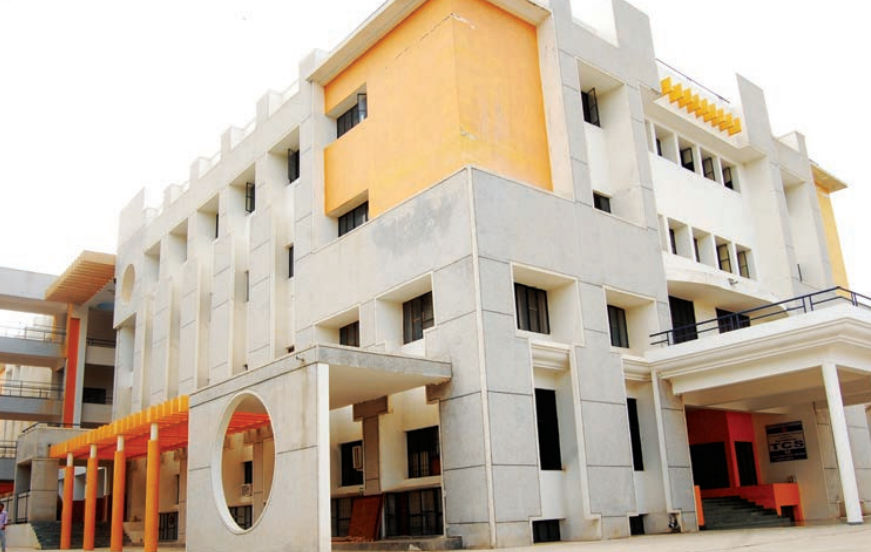
The Civil Engineering Department of PCE came into existence in the year 2011 with an alignment of the department’s evolution with key events and technological advances for the betterment of the society and nation. At present, it has the intake of 60 students providing all the amenities of infrastructure related to knowledge, research, experiments and training of multiple professions. Civil Engineering is a timeless and ever-relevant discipline within the engineering profession. To ensure excellence in education, the Department of Civil Engineering comprises faculty members with academic backgrounds from prestigious institutions, dedicated to imparting their knowledge and expertise. It has been taking initiatives for the versatile enhancement of the students through the technical, cultural and sports fests since its inception. The department has started a Center of Excellence (CoE) for GEOINFORMATICS and a Center of Excellence for Sustainable Construction Materials (UltraTech). Additionally, ICI student chapter has recently been inaugurated.
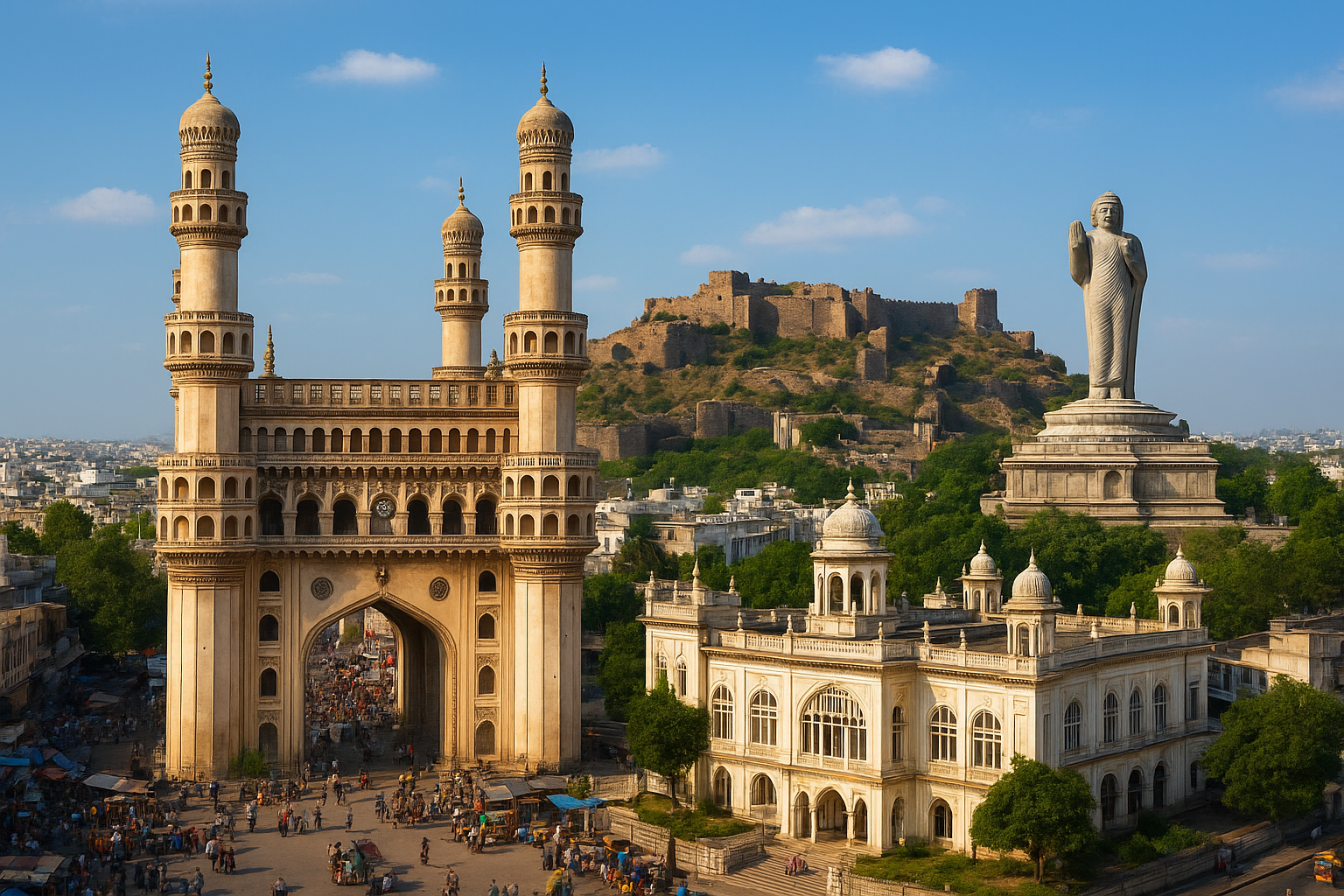
Hyderabad, the capital of Telangana, is a city that beautifully blends rich heritage with rapid modern growth.Founded in 1591 by Muhammad Quli Qutb Shah, it is famously called the “City of Pearls”, reflecting its historic trade in pearls and diamonds.
Landmarks like the Charminar, Golconda Fort, Chowmahalla Palace, and Hussain Sagar Lake showcase its cultural grandeur, while bustling bazaars like Laad Bazaar preserve its traditional charm.The city is equally renowned for its Hyderabadi biryani, diverse festivals, and a culture influenced by Deccani, Mughlai, Persian, and Telugu traditions.
While the old city reflects history, the Hitech City (Cyberabad) represents Hyderabad’s emergence as a global IT and biotechnology hub, hosting giants like Microsoft, Google, and Amazon. The Genome Valley and Pharma City further position it as a leader in life sciences.Hyderabad is also an education and research hub,with institutions like Osmania University, University of Hyderabad, IIIT-H, ISB, and major research centers like CCMB and DRDO. It is home to the thriving Telugu film industry (Tollywood) and was recognized as a UNESCO Creative City of astronomy in 2019.Balancing heritage and progress, Hyderabad stands as one of India’s most dynamic and inspiring cities.
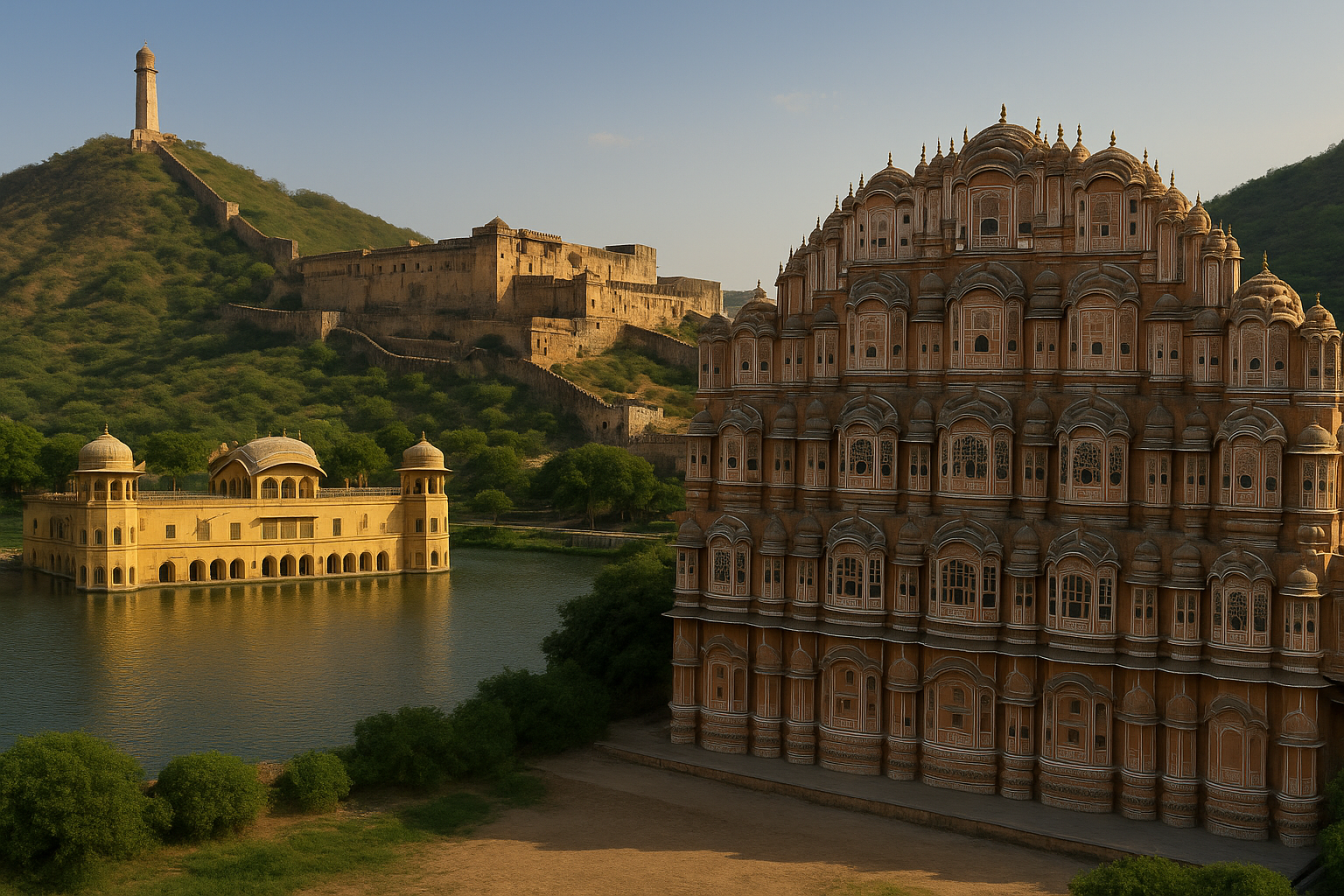
Jaipur, the capital and largest city of the Indian state of Rajasthan, is located in Northern India. It was founded on November 18, 1727, by Maharaja Sawai Jai Singh II, the ruler of Amer, after whom the city is named. As per the 2011 Census, Jaipur had a population of approximately 3.1 million, making it one of the ten most populous cities in India at the time. Often referred to as the "Pink City" due to the dominant terracotta pink color of its buildings—especially in the old walled city—Jaipur lies about 268 km (167 miles) from New Delhi, the national capital. It forms a key part of India’s Golden Triangle tourist circuit, along with Delhi and Agra, and is one of the most visited tourist destinations in the country.
Jaipur is home to two UNESCO World Heritage Sites: the Jantar Mantar, an astronomical observatory, and the Amer Fort, a majestic fort located on the city’s outskirts. In the 2008 Condé Nast Traveller Readers’ Choice Awards, Jaipur was ranked the 7th best place to visit in Asia. Key attractions include the iconic Hawa Mahal, Jal Mahal, City Palace, Nahargarh Fort, Jaigarh Fort, Birla Mandir, Galtaji Temple, Govind Dev Ji Temple, Garh Ganesh Temple, Moti Dungri Ganesh Temple, Royal Gaitor Cenotaphs, Sanghiji Jain Temple, and the Jaipur Zoo. Beautiful gardens like Sisodia Rani Bagh and Kanak Vrindavan, along with the grand Raj Mandir Cinema, enhance the city’s charm.
Planned meticulously by Bengali architect Vidyadhar Bhattacharya under the principles of Vastushastra (traditional Hindu architecture), Jaipur features a grid-based city layout divided into six sectors with 34-meter-wide roads, a rarity among pre-modern Indian cities. Besides its architectural splendor, Jaipur is also a vibrant cultural hub. It is renowned for blue pottery, an intricate and colorful craft unique to the city, as well as its lively puppet shows, folk dances like Ghoomar and Kalbeliya, and traditional Rajasthani music. The city’s culinary heritage is equally rich, offering delicacies like Dal Baati Churma, Laal Maas, Gatte ki Sabzi, and sweets such as Ghewar and Mawa Kachori. Altogether, Jaipur stands as a perfect blend of history, culture, craftsmanship, and cuisine, making it a must-visit destination in India.